Skip to main content
Secondary Menu (on top)
News
Directory
Alumni
Aditya
Webmail
Contact Us
Skip to main content
A-
A
A+
Institute
Toggle submenu
About IIST
About Us
Vision and Mission
Vice Chancellor's Page
Dr. APJ Kalam: Our Inspiration
News and Events
IAAS 2026
News
Testing
Events (Past, Current & Upcoming)
Institute Colloquia
Outreach
Leadership and Organisation
Chancellor
Vice Chancellor
Pro-Vice Chancellor
Governing Body
Governing Council
Deans
Executive Council
Registrar
Academic Council
Research Council
Organisation Chart
General Information
About Campus
Campus Life
Publications
Gallery
Statutory Approvals
Contact Us
Ranking and Accreditation
NIRF
NAAC
Academics
Toggle submenu
Overview
Academics Office
Academic Calendar
Class Time Table
Exam Schedules
Programmes
Undergraduate
Dual Degree
Postgraduate
Ph. D.
Post-Doctoral Programme
Admissions
Undergraduate & Dual Degree
Postgraduate
Ph. D.
Post-Doctoral Programme
Facilities
Library
Multidisciplinary Computing Centre
General Information
Rules & Regulations
Notices / Circulars
Convocation
Contact us
Departments
Toggle submenu
Aerospace Engineering
Avionics
Chemistry
Earth & Space Sciences
Humanities and Social Sciences
Mathematics
Physics
Research And Innovation
Toggle submenu
Research Activities
Research Highlights
Space Research
Fundamental & Applied Research
Advanced Space Research Group (ASRG)
Research Projects
Recent PhDs
MoU / Collaborations
Research Facilities
Central Facilities
Research Labs
High Value Equipments
Startups & Innovation
Space Technology Innovation and Incubation Centre (STIIC)
Technology transfer
IPR & Patents
Opportunities
Toggle submenu
Faculty
Prospective Faculty
Staff
Administrative Positions
Non-Teaching Positions
Research
Ph. D.
Post-Doctoral Programme
Project Positions
Student Visits
Internship & Student Visits
Students
Toggle submenu
Prospective Students
Why IIST
Campus Tour
Academic Programmes
How to Apply
Plan a Visit
Contact us
Current Students
Campus Facilities
Student Resources
Student Activities Board
Student Welfare
Clubs
Campus Events
Campus Publications
Alumni
Alumni
Alumni Association portal
Placement
Placement Cell
Personnel
Toggle submenu
Employee
Faculty
Administrative Staff
Technical Staff
Research
Ph. D.
PDF / Research Associate
Students
Undergraduate
Postgraduate
Dual Degree
Alumni
Undergraduate
Postgraduate
Dual Degree
Ph. D.
Home
Metrology and Computer Aided Inspection Lab
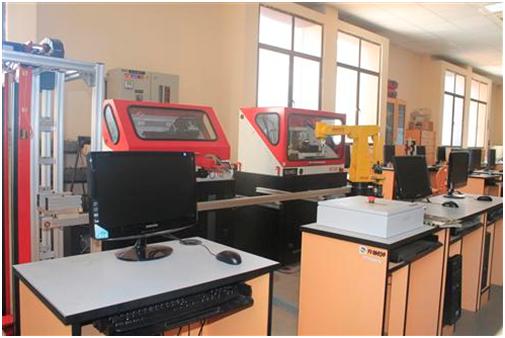
Manufacturing Processes Lab
Engineering Workshop/Basic Engineering lab
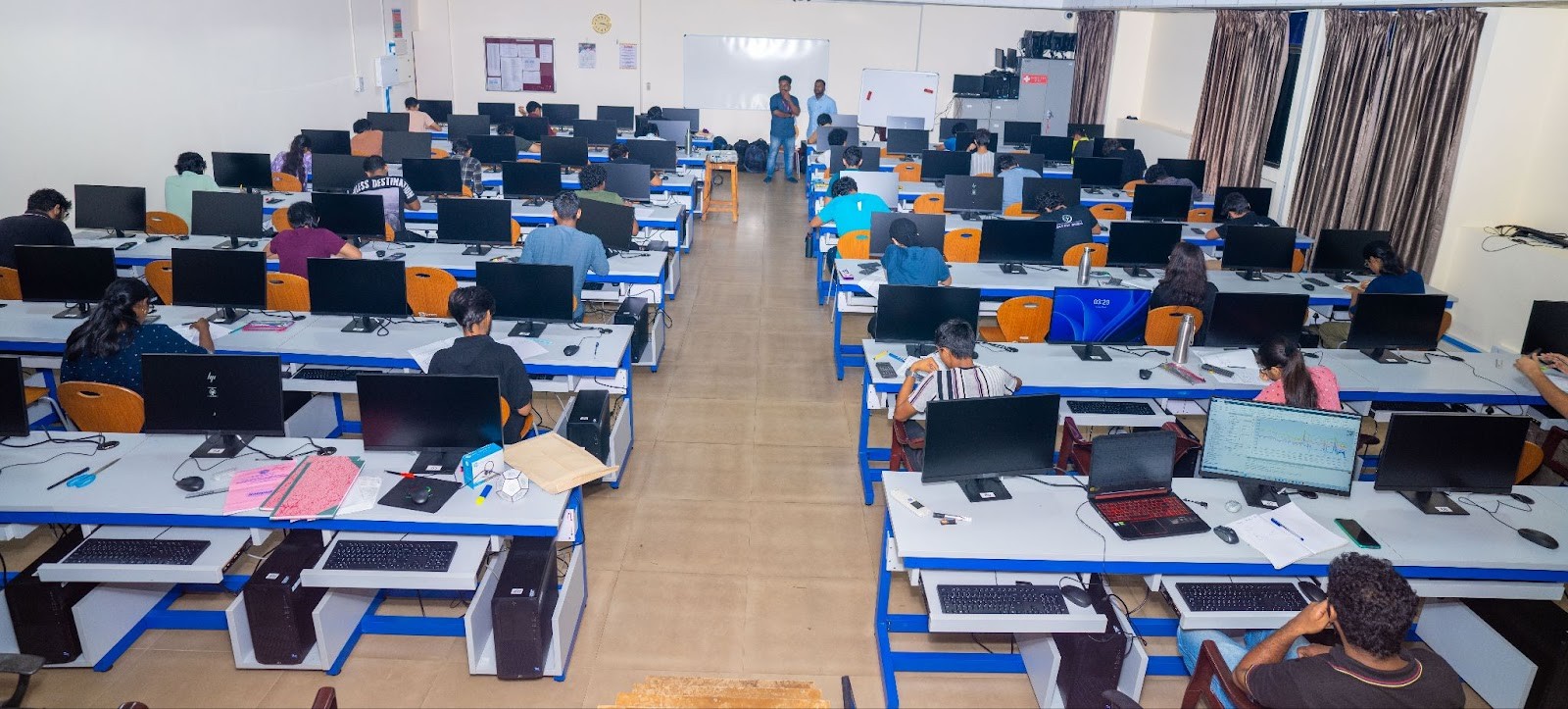
Computer Aided Design and Analysis Facility
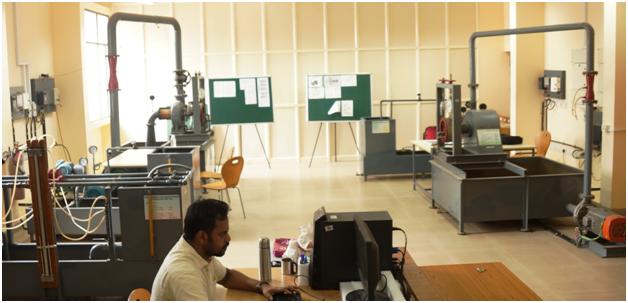
Fluid Mechanics Lab
Heat Transfer Lab
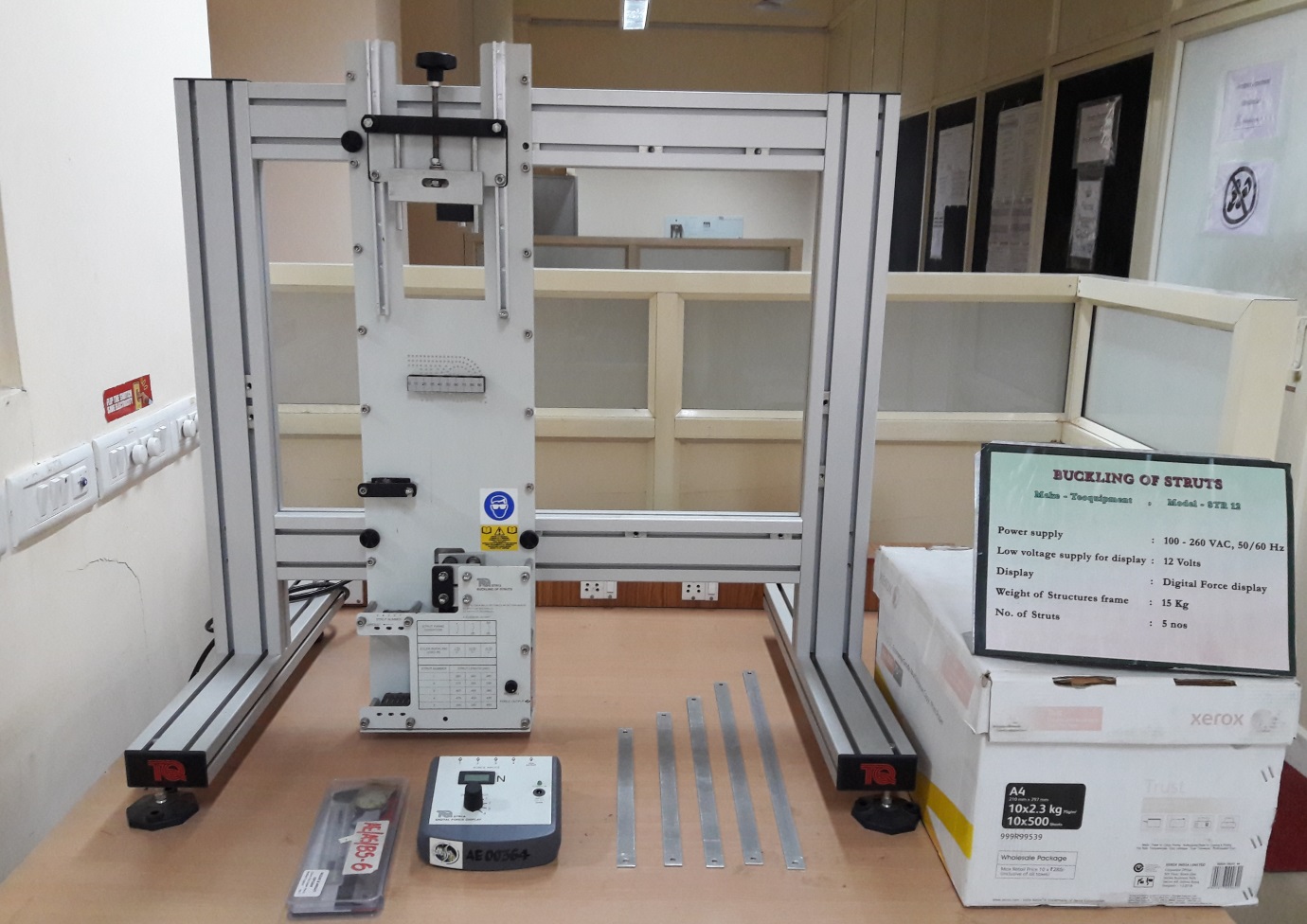
Aerospace Structures Lab
Thermal and Propulsion Lab
Past Events
Read more
about Past Events
About Department
Vision
Read more
about About Department
Pagination
« First
First page
‹ Previous
Previous page
…
763
764
765
766
767
768
769
770
771
…
Next ›
Next page
Last »
Last page
Subscribe to
Loading...
Loading content...
Event Details
×
Select a date to view events.
Event List
Loading events...